WHO technical mission supports strategies for preventing and controlling antimicrobial resistance in Angola
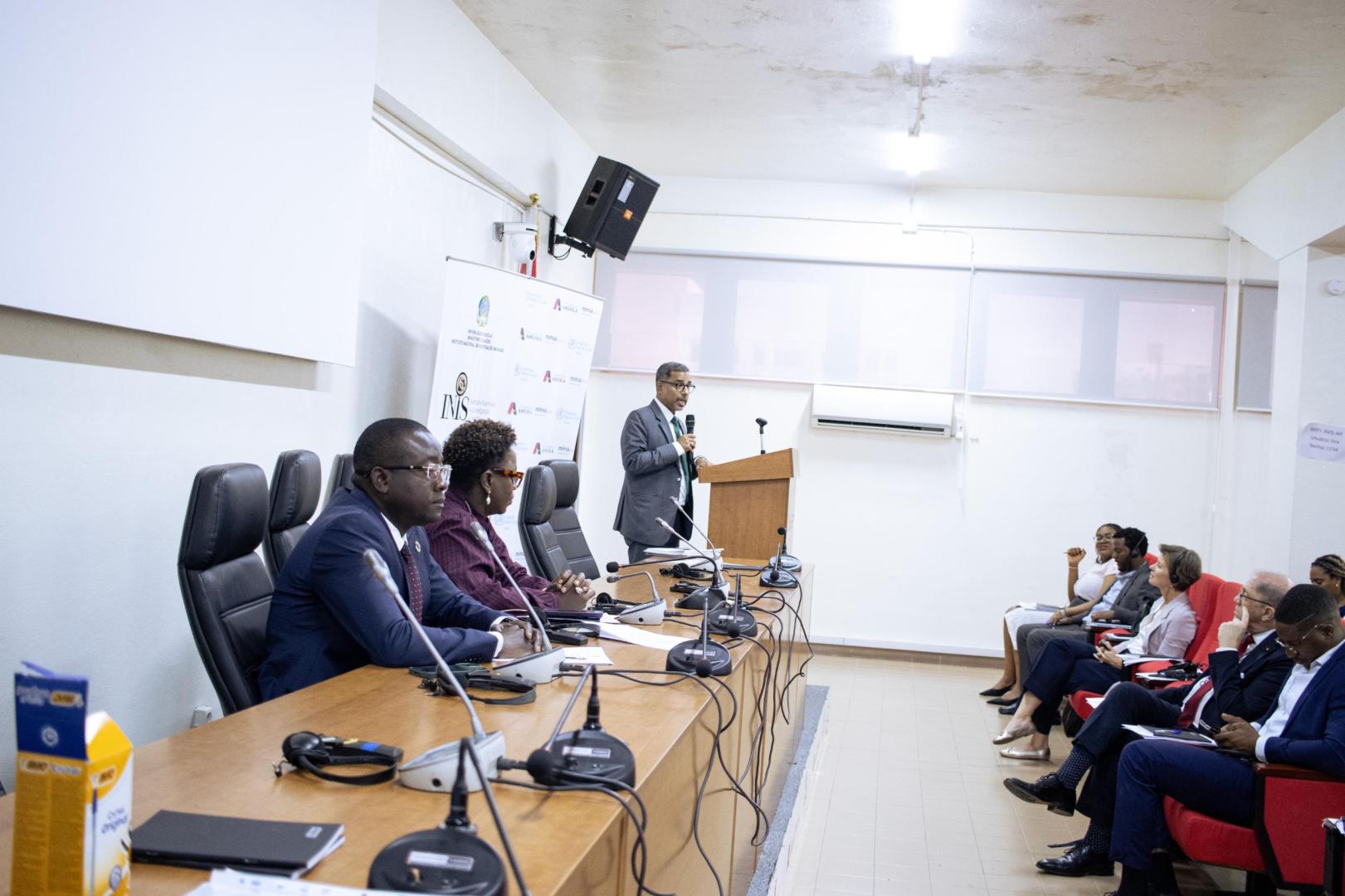
Angola strengthened the institutional capacity of the national response to antimicrobial resistance (AMR) through a joint technical mission organized by the Ministry of Health, with specialized support from the World Health Organization (WHO), involving experts from Headquarters, the Regional Office for Africa, and the WHO Office in Angola.
Held from November 18 to 20, the mission assessed national progress, identified critical gaps, and supported the definition of a strategic plan to strengthen AMR surveillance, prevention, and control. The initiative took place as part of World AMR Awareness Week (November 18–24), whose 2025 slogan, “Let's act now. Together, let's protect the present. Let's take care of our future,” reinforces the global call for coordinated action.
AMR is recognized as one of the ten greatest global threats to health. In 2019, resistant infections caused about 1.27 million deaths and were associated with nearly 5 million deaths. According to the 2025 Global Antimicrobial Resistance Surveillance Report, one in six bacterial infections worldwide, and one in five in the African Region, were resistant to antibiotics in 2023. Between 2018 and 2023, there was a 40% global increase in antimicrobial resistance.
The mission also supported Angola in analyzing its alignment with international commitments, namely the Political Declaration on AMR adopted by the United Nations General Assembly in 2024, which sets targets for 2030: high-quality data reporting to GLASS, capacity to test all priority bacterial and fungal pathogens in at least 80% of countries, and a 10% global reduction in deaths associated with bacterial AMR.
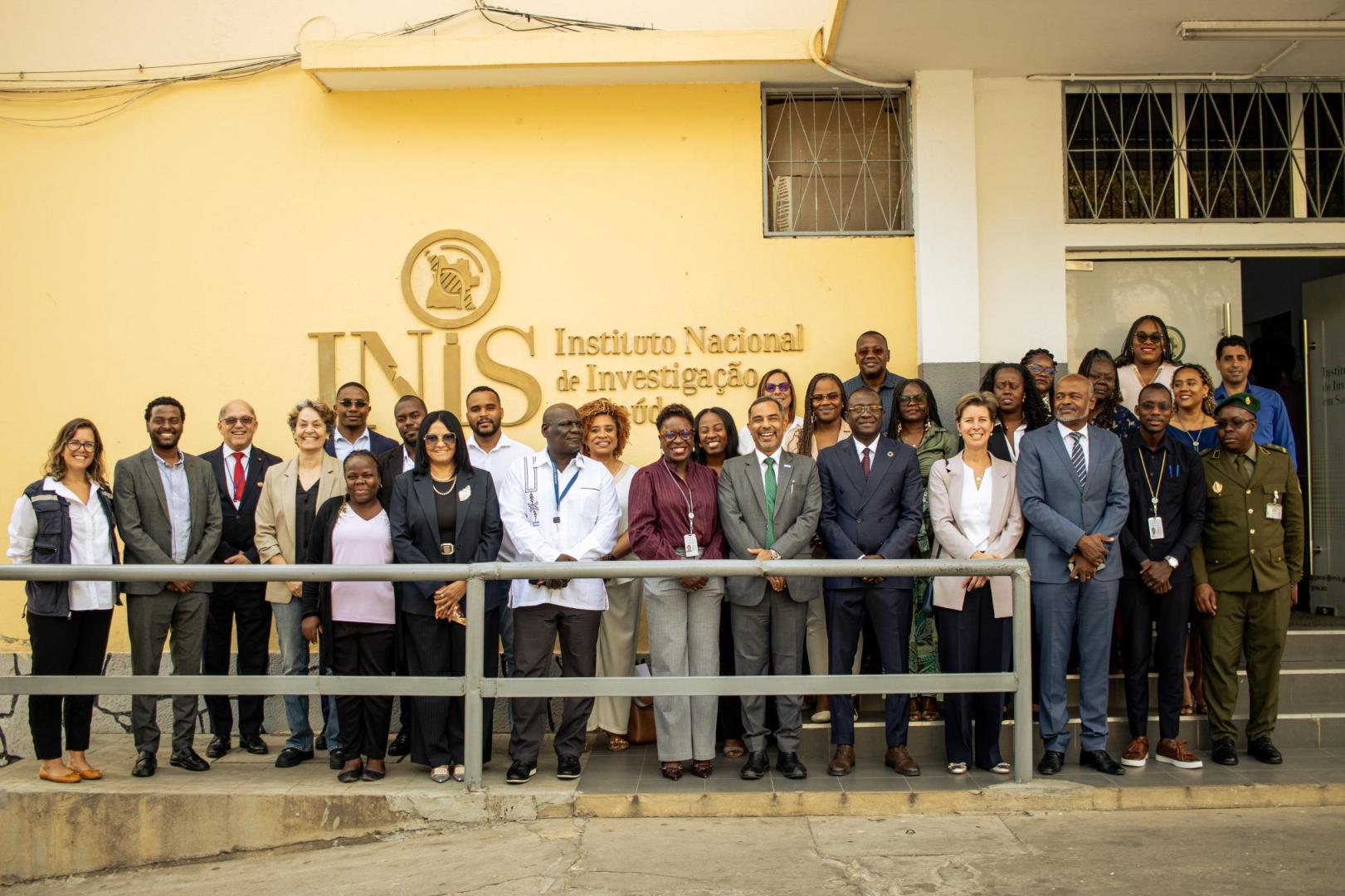
As a central part of the mission, field visits and a national consultative workshop were held, promoted by the National Health Research Institute (INIS), the National Directorate of Public Health (DNSP), the Medicines Regulatory Agency (ARMED), and the National Directorate of Hospitals, with technical support from WHO, FAO, WOAH, and the WHO Collaborating Center “One Health.” This technical partnership covers the broad area related to AMR, including its impact on human health, food and other agricultural products, animal health, and the environment.
“The creation of a multisectoral platform, integrating the health, agriculture, and environment sectors, will be crucial for coordinating policies, monitoring progress, and mobilizing the resources needed to implement the National Action Plan against AMR,” emphasized Dr. Franco Martins, Head of the Disease Control Department at DNSP.
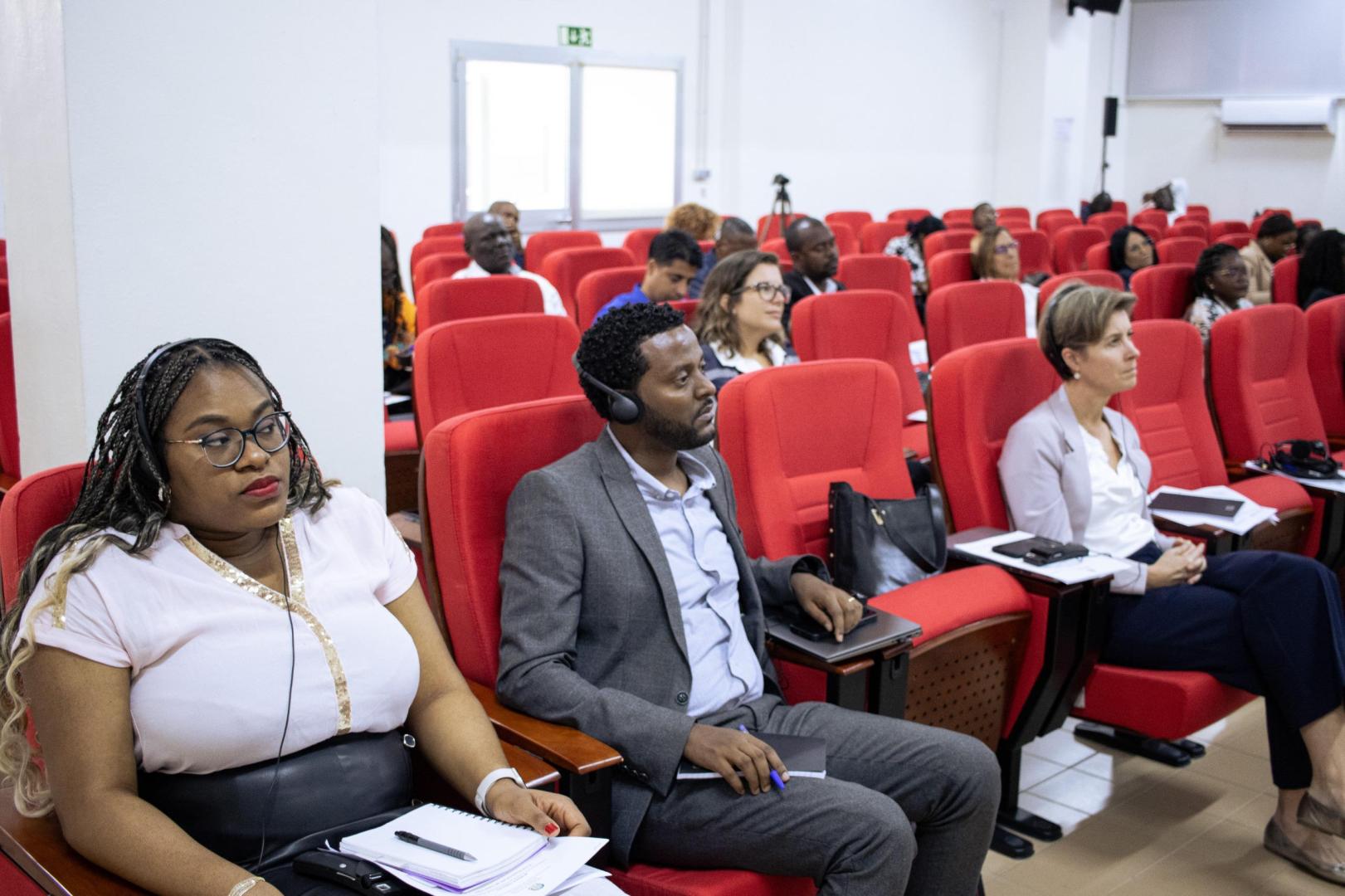
The workshop brought together sectors of the “One Health” platform, various sectors of government, academic institutions, the private health sector, civil society, and international partners. The discussions allowed for an assessment of the current situation of AMR in the country and the identification of strategic priorities to strengthen a coordinated and sustainable response, based on robust data that “guide the national response, reduce uncertainties, and save lives,” said Dr. Joana da Paixão, Deputy Director General of INIS.
Among the technical areas prioritized are integrated surveillance of AMR and antimicrobial use, strengthening laboratory capacities, rational use of medicines, infection prevention and control, and resource mobilization within the One Health approach.
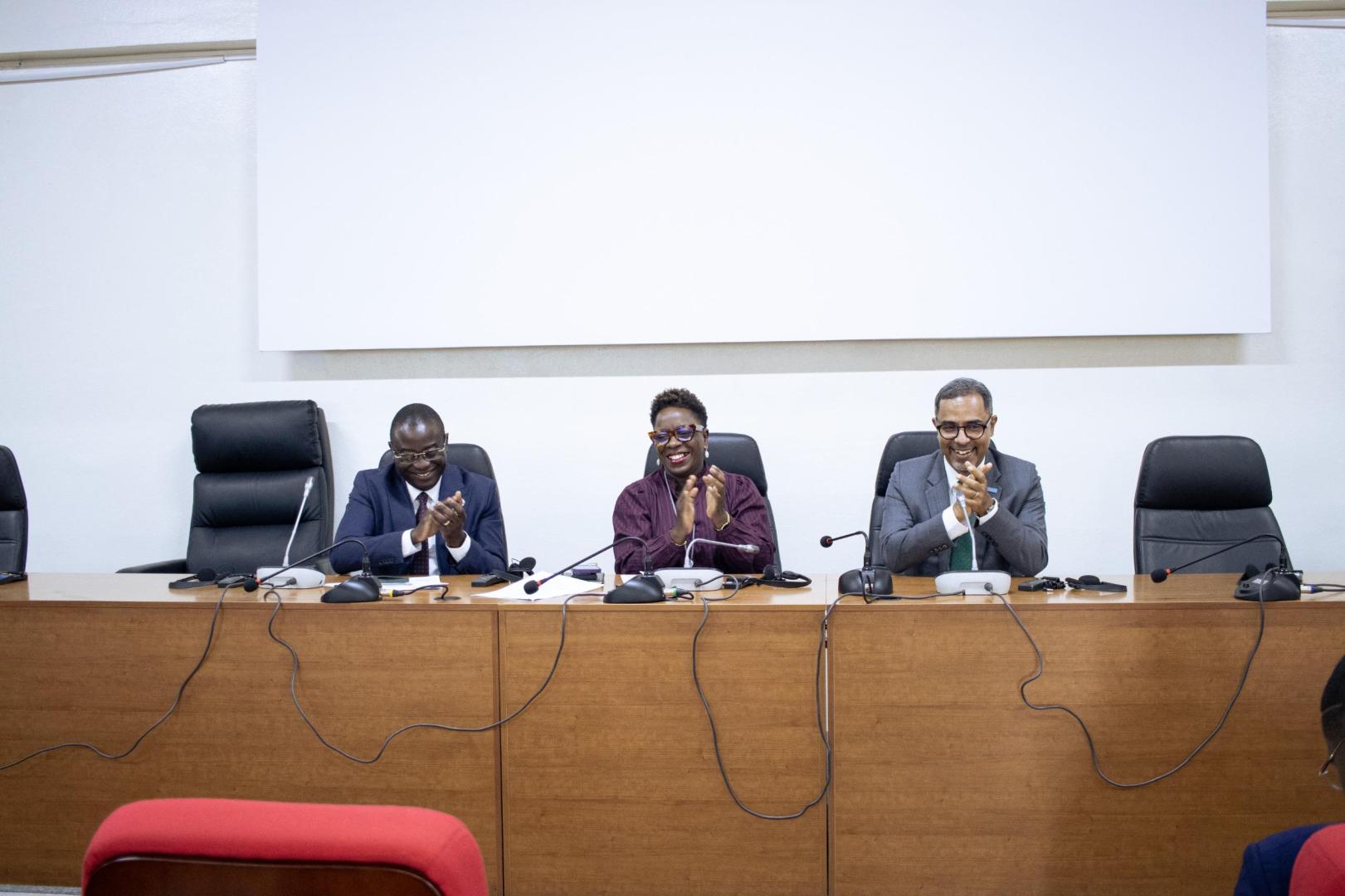
“WHO will continue to support Angola with evidence, capacity building, and technical guidance. This joint work will help the country build a more resilient system, prepared to prevent, detect, and respond effectively to antimicrobial resistance,” reaffirmed Dr. Indrajit Hazarika, WHO Representative in Angola.
Communication Assistant
WHO Angola
rpedro [at] who.int (rpedro[at]who[dot]int)